Hakeem Yusuf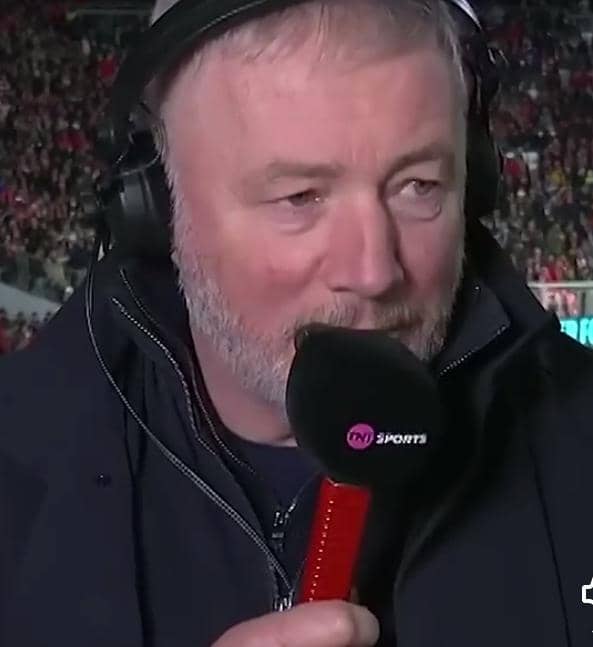
Glasgow Rangers faced intense scrutiny after a difficult performance against Hibernian, and former club legend Ally McCoist delivered one of the harshest pieces of punditry of his media career. McCoist singled out a Rangers forward reportedly earning around £30,000 per week and challenged the club to rethink their investment in the player’s future after a display he described as “below the standards expected at Ibrox.”
Rangers struggled for creativity and cutting edge in their recent Scottish Premiership match with Hibernian, a game that ended in a draw and left fans frustrated as opportunities went begging. Even though the match provided a point away from home, there were glaring issues in Rangers’ attacking play and link‑up between midfield and forward lines. McCoist’s criticism focused on a forward whose performances have oscillated between promising and disappointing since his arrival.
In his post‑match analysis on talkSPORT, McCoist said something that sent shockwaves through the Rangers community. He argued that the player’s confidence appeared fragile, and that his contributions in big matches had not matched the weekly wage Rangers were paying him. The pundit suggested that if the forward’s confidence did not improve quickly, the club should consider alternatives rather than letting him continue in a role that might be hindering Rangers’ progress. McCoist’s tone was firm, reflecting urgency rather than casual critique.
McCoist framed his argument in straightforward football terms. He said Rangers need players who influence matches not just hold roster spots. When high wages are attached to a player, he argued, impact has to follow. Rangers supporters have grown impatient with inconsistent forward play, and McCoist was unafraid to amplify that feeling. He questioned whether Rangers had assessed the risks adequately before committing to a long‑term deal for an attacking player struggling to produce decisive moments.
The roots of McCoist’s frustration are visible in match reports and fan discussions. Rangers’ performance against Hibernian lacked fluidity in attack, with key moments coming more from set pieces or defensive errors by the opposition rather than crafted build‑up play. Rangers created chances, but too few of them tested the goalkeeper effectively. The forward in question was involved in play but rarely threatened the Hibernian defence, frustrating attacks that otherwise promised more.
This is not the first time Rangers have faced questions over big‑money signings and their adaptation to Scottish football. Earlier in the season one pundit described the signing of this same forward as a “gamble” given his adjustment period and the pressure that comes with a significant transfer fee. McCoist’s latest comments echoed that sentiment, emphasizing the need for Rangers to manage pressure and development without stalling ambition.
McCoist’s call for action was stark. He emphasised the importance of confidence in attacking play. Confidence, he argued, leads to sharper decision‑making and sharper play in the final third. When a forward looks unsure, McCoist said, the rest of the team feels it too. That breakdown of rhythm, according to him, was visible against Hibernian.
He went further by urging manager Danny Rohl to consider changes. McCoist said Rangers must back players who perform week in, week out and contribute goals and assists consistently. For a club with ambitions to challenge for titles, sporadic contributions are not enough. A player earning top wages, in McCoist’s view, must carry more responsibility in decisive moments.
Rangers fans had mixed reactions to the McCoist critique. Some agreed that the forward needs to step up or make way for alternatives. Others defended the player, citing tactical issues or the team’s overall lack of cohesion rather than individual failings. Supporter forums highlighted how the Hibernian tactical setup slowed Rangers’ attacking tempo, making it hard for forwards to receive clean service. But McCoist focused on results and impact, not excuses.
The broader context of Rangers’ season adds weight to McCoist’s comments. Rangers have shown inconsistency in key matches, and critics outside the club have not been shy about calling out issues in performance and strategy. Even former pundits and ex‑players have weighed in on debates around team selection and tactical decisions.
For the player at the centre of McCoist’s criticism, this public spotlight intensifies pressure. High wages set expectations for output, and McCoist’s harsh assessment makes the margin for error smaller. How the player responds in training and upcoming matches will be watched closely by supporters and pundits alike.
Ultimately McCoist’s message was direct: Rangers need contributions that justify investment. If confidence falters and performances do not improve, tough decisions must follow. Rangers must aim for consistency and impact if they are to compete at the highest levels.
If you want, I can revise this into a shorter, punchier version for social media.

 Nafisa
 Mustapha Sheidu